;

Article

How to Wash Your Face and Remove Makeup with Eyelash Extensions — Without Losing a Single Lash
Mar 29, 2026 By admin

You finally got your lash extensions done, and now you're staring at the sink wondering how on earth you're supposed to wash your face without ruining them. You're not alone. This is one of the most common concerns among lash extension wearers — and one of the most misunderstood.

Here's the truth: washing your face correctly will not make your lashes fall out. In fact, not washing your face thoroughly enough is what actually shortens the life of your extensions. Oil buildup, makeup residue, and bacteria that accumulate along the lash line slowly break down the adhesive from within — and that's what causes premature shedding.

The goal is simple: clean enough to protect your skin and your lashes, gentle enough to keep the bond intact.


First, Understand What Actually Makes Lash Extensions Fall Out

Before learning the right technique, it helps to know what you're up against.

Oil is the number one enemy of lash adhesive. The glue used in eyelash extensions is a cyanoacrylate-based adhesive, which weakens and breaks down when it comes into contact with oil — whether that's oil in your skincare products, your makeup remover, or even the natural oils your skin produces throughout the day.

Rubbing and pulling is the second most common cause of premature lash loss. Any friction applied directly to the lashes — whether from a cotton pad, your fingertips, or even a pillowcase — puts stress on the bond and can cause lashes to detach one by one.

High-alcohol products such as certain toners, astringents, and some micellar waters can also degrade the adhesive over time, especially with daily use near the lash line.

Steam and prolonged heat exposure — like long hot showers or saunas — soften the glue and reduce its holding power. Lukewarm or cool water is always the safer choice.


Choose the Right Products Before Anything Else

No technique will save you if you're using the wrong products. This step comes first.

What to use:

An oil-free, gentle foaming cleanser is your best option for the face wash step. Look for formulas labeled fragrance-free or hypoallergenic, as the skin around your eyes is significantly more sensitive than the rest of your face. Avoid anything with plant oils, mineral oil, or silicone listed in the first few ingredients.

An oil-free micellar water is ideal for removing eye makeup and cleaning along the lash line. Not all micellar waters are oil-free, so read the ingredient list carefully before buying. If the formula contains any type of oil — even "nourishing" ones — it will work against your lash adhesive.

Lint-free cotton pads are worth the extra cost. Regular cotton pads shed tiny fibers that catch on lash extensions and pull at them during removal. Lint-free versions are far gentler and won't leave residue behind.

A small lash wand or clean spoolie brush helps you groom your lashes after washing, keeping them separated and in the right direction without needing to touch them with your fingers.

What to avoid completely:

Cleansing oils and cleansing balms — regardless of how gentle or skin-friendly they claim to be. The oil content will dissolve your lash adhesive.

Bi-phase makeup removers, which are the two-layer liquid removers that need to be shaken before use. The bottom layer is almost always oil-based.

Waterproof mascara and the removers that go with it. If you feel the need to wear mascara over your extensions at all, use only a water-based, lash extension-safe formula — but in most cases, your extensions should make mascara unnecessary.

Heavy eye creams applied too close to the lash line. If you use an eye cream at night, apply it with your ring finger to the orbital bone area only, keeping it well away from the lashes themselves.


Step-by-Step: How to Remove Eye Makeup with Lash Extensions

Step 1: Gather your tools before you start

Set out your oil-free micellar water, lint-free cotton pads, a few cotton swabs, and optionally a mini lash fan or a cool-setting hairdryer for drying afterward. Having everything within reach means you won't need to rush or improvise mid-process.

Step 2: Soak, don't swipe

Pour a small amount of micellar water onto a lint-free cotton pad and press it gently against your closed eyelid. Hold it in place for 10 to 15 seconds. This allows the formula to dissolve and lift the makeup before you move the pad at all. Patience here saves your lashes.

Step 3: Slide outward in one direction only

After the soaking period, gently slide the cotton pad from the inner corner of your eye outward toward your temple. Move in one smooth direction — never rub back and forth, never press down, and never drag upward toward the lashes from below. Repeat with a fresh section of the cotton pad until the pad comes away clean.

Step 4: Use a cotton swab for the lash line and hard-to-reach areas

The lash line — where your extensions meet your natural lashes — needs attention but also extra care. Dip a cotton swab in your oil-free micellar water, squeeze off any excess so it is damp rather than dripping, and gently dab along the lash line. Do not drag the swab along the lash line in a sweeping motion. Instead, use a light pressing and lifting movement, working in small sections from inner to outer corner.

Step 5: Address under-eye makeup last

The under-eye area is usually less risky for your extensions since the lashes sit on the upper lid. Use a fresh section of the cotton pad with micellar water and press it under your eye for a few seconds, then gently sweep downward and outward. Avoid getting too close to the lower lash line if you have extensions applied there as well.

Step 6: Do not rinse with water yet

Complete the full makeup removal process before bringing water into the routine. Adding water too early can dilute the micellar water before it has fully done its job and may cause streaking that requires additional pressure to remove.


Step-by-Step: How to Wash Your Face with Lash Extensions

Step 1: Wash your hands thoroughly first

This is non-negotiable. Your hands carry oil, bacteria, and traces of everything you have touched throughout the day. Starting with clean hands is the foundation of the entire process.

Step 2: Wet your face with lukewarm or cool water

Avoid hot water. Heat loosens lash adhesive the same way it softens glue on a package — it may not cause immediate damage, but repeated exposure over days and weeks significantly shortens the lifespan of your extensions. Splash cool or lukewarm water across your face, avoiding directing the stream forcefully at your eye area.

Step 3: Lather your cleanser in your palms first

Never apply your cleanser directly to your face. Pump or squeeze a small amount onto your palm, add a few drops of water, and work it into a soft lather with both hands. A well-lathered cleanser cleans more effectively with less friction, which means less mechanical stress on your lash adhesive.

Step 4: Cleanse your face while protecting the eye area

Using your fingertips, work the lather across your forehead, cheeks, nose, and chin using gentle circular motions. When you reach the eye area, switch techniques entirely. Use your ring finger — which naturally applies the least pressure — to lightly pat or press the cleanser along the under-eye and brow area only. Keep the foam away from your lash extensions themselves. If any foam gets near the lash line, tilt your head slightly downward so the water and cleanser flow away from the lashes rather than into them.

Step 5: Rinse thoroughly with cool water

Rinse your face by cupping cool water in your hands and gently splashing upward, or by allowing a gentle stream of water to flow down your face naturally. Avoid high-pressure water directly on your eyes. Take your time rinsing — any cleanser left near the lash line can cause irritation and may affect the adhesive over time.

Step 6: Pat dry without touching the lashes

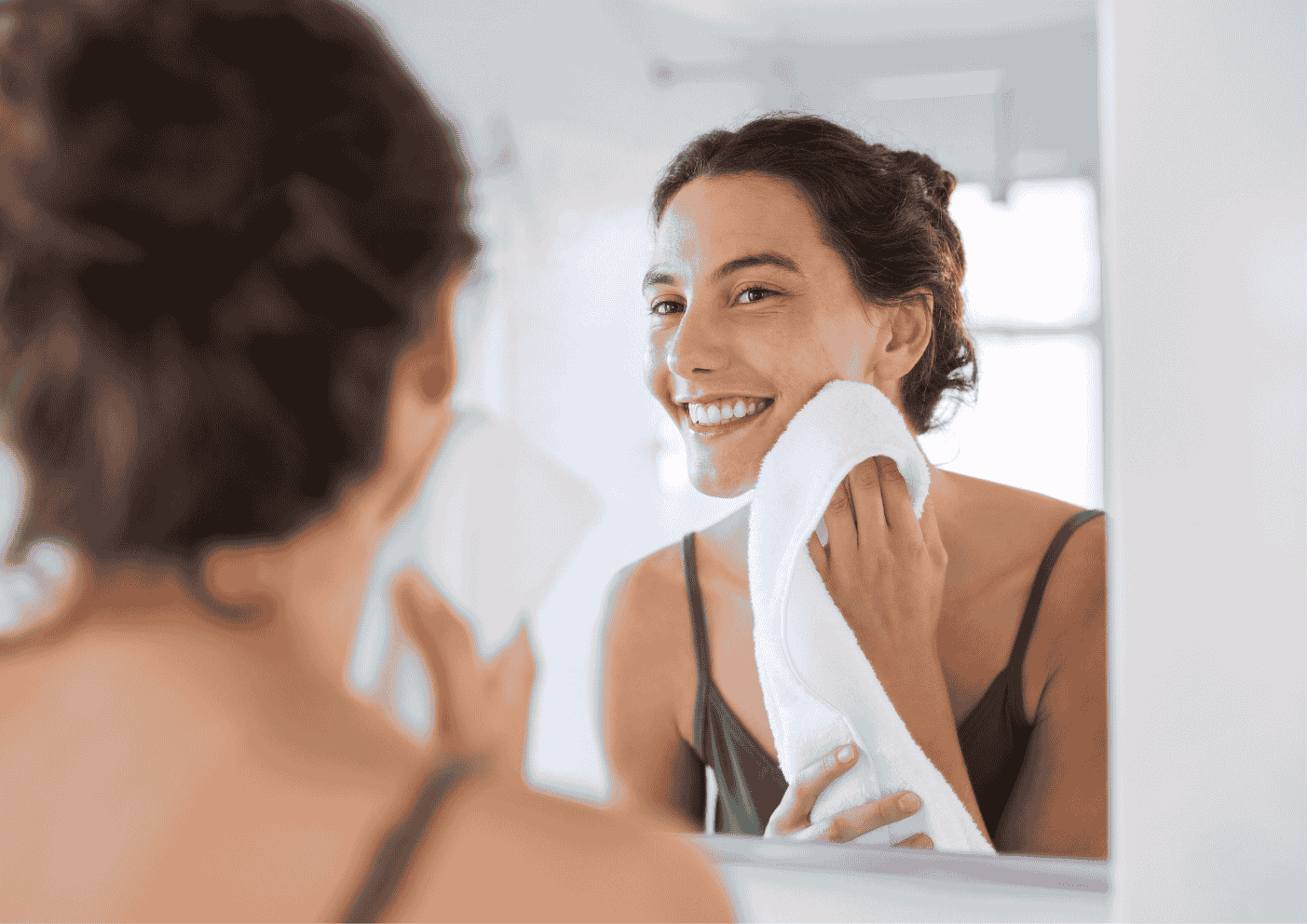
Use a clean, soft towel or facial cloth to gently pat — never rub — your face dry. For the eye area specifically, avoid touching the lash extensions at all during drying. Either let them air dry or proceed to the next step.

Step 7: Dry your lashes completely with cool airflow

This is the step most people skip, and it matters more than you might expect. Moisture trapped at the lash base creates the ideal conditions for adhesive breakdown and, over time, bacterial growth. Use a mini fan or set your hairdryer to the cool or low setting and hold it at arm's length, directing the airflow toward your lashes for 20 to 30 seconds. You will notice the lashes separate and return to their natural curl as they dry. Never go to sleep with damp lash extensions.


Daily and Weekly Maintenance

Daily, even on days when you are not wearing makeup: use a cotton swab dampened with oil-free micellar water and lightly dab along your lash line once before bed. Natural skin oils, dust, and environmental buildup accumulate every day regardless of whether you applied makeup, and clearing this buildup regularly is what keeps your extensions lasting as long as possible.

On makeup days: follow the full two-step process described above — micellar water removal first, then your gentle foaming cleanser. The two-step approach ensures thorough cleansing without requiring additional pressure or scrubbing.

Brush your lashes gently after they dry: use a clean spoolie or lash wand to comb through the extensions from the root toward the tip. This keeps them separated, prevents tangling, and helps maintain the curl and shape your technician created.


Things to Stop Doing Immediately

Sleeping face-down or on the same side every night. Pressure from a pillow compresses your lashes over hours of sleep, gradually breaking the bond and distorting the curl. If you are a side sleeper, consider a silk pillowcase, which causes significantly less friction than cotton.

Rubbing your eyes when you wake up. Morning eye rubbing is one of the fastest ways to lose lashes in bulk. If your eyes feel sticky or irritated upon waking, blink slowly a few times and let them adjust naturally before touching your face.

Skipping the drying step after washing. As mentioned, wet lash roots are vulnerable lash roots. Make drying your lashes a non-negotiable part of your routine.

Pulling at lashes that feel like they are already coming loose. If a lash extension is detaching, resist the urge to remove it yourself. Let it fall naturally or return to your technician to have it removed cleanly.


Signs That Your Cleansing Routine Is Working

Your lash count remains consistent and does not decrease noticeably after washing. There is no white residue or buildup visible at the lash base. Your eyes feel comfortable — not irritated, not itchy — after cleansing. The extensions maintain their curl and stay separated rather than clumping together.

If you are following all of these steps correctly and still experiencing significant lash loss within the first week, the issue is likely not your routine. Factors such as adhesive quality, your technician's application technique, naturally oily eyelids, or certain medications can all affect retention. In that case, it is worth discussing the issue directly with your lash technician rather than adjusting your cleansing method further.